
Gadgets & Gear
6 min read•Oct 9, 2026•3
Gigabyte BIOS Update Hints at Raptor Lake Next in 2027
Gigabyte firmware updates reveal Intel Raptor Lake Next processors on LGA 1700 motherboards, extending DDR4 and DDR5 budget desktop lifespans into 2027.
The US Department of Labor orders an H-1B green card path suspension for Microsoft and Adobe, blocking PERM labor certifications amid fraud investigations.
Senior Technology Analyst
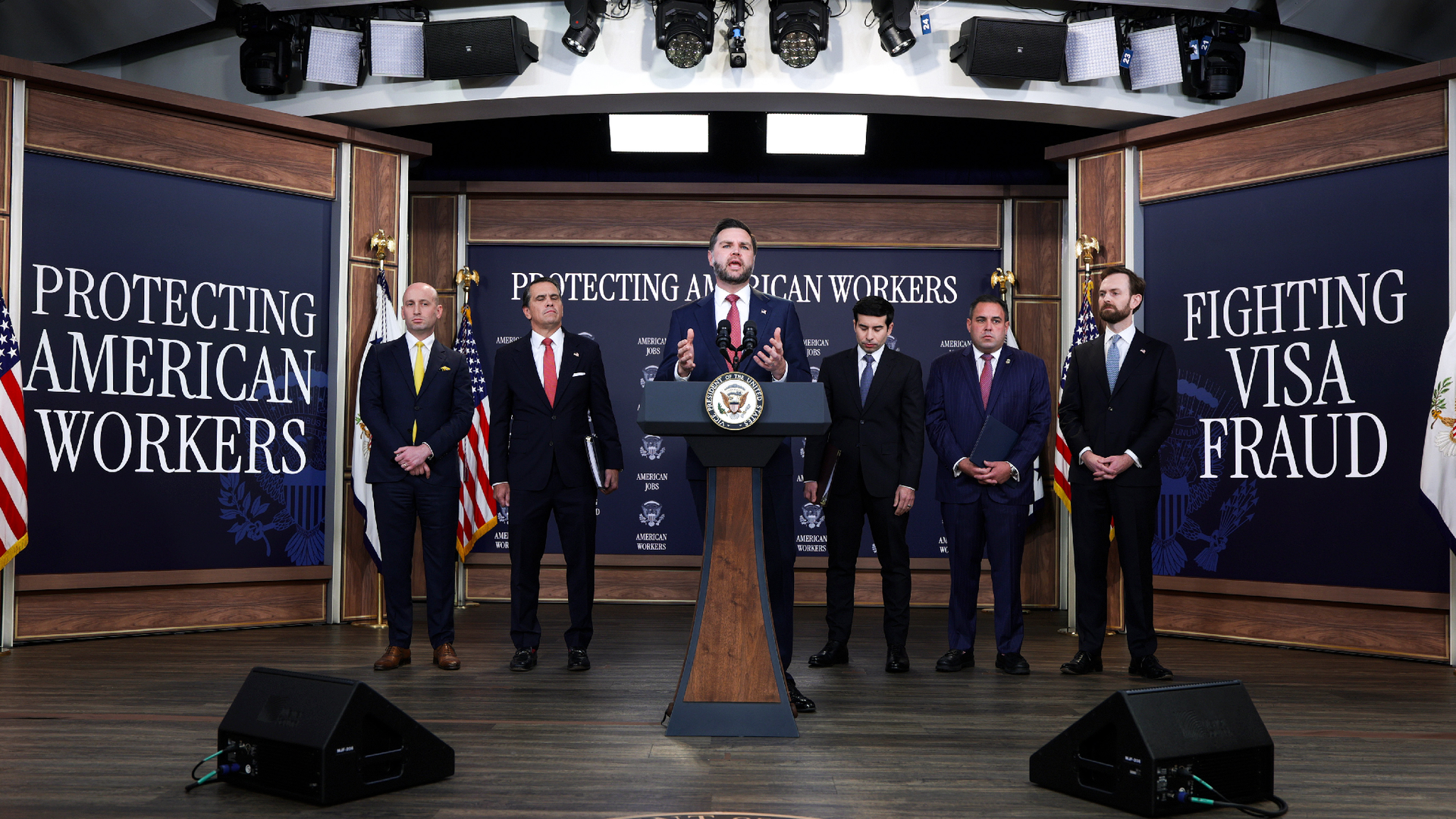
The US Department of Labor orders an H-1B green card path suspension for Microsoft and Adobe, blocking PERM labor certifications amid fraud investigations.
The United States Department of Labor has initiated a sweeping H-1B green card path suspension for foreign workers at major technology firms, including Microsoft and Adobe, alongside several prominent IT outsourcing companies. This sudden regulatory freeze targets the Program Electronic Review Management (PERM) system, which serves as the foundational labor certification step for high-skilled immigrants seeking permanent residency. The suspension stems from allegations of systemic abuse and recruitment fraud within the application process.
For decades, the tech industry has relied on the H-1B visa and the subsequent PERM labor certification process to attract and retain elite global software engineering talent. This regulatory intervention marks one of the most significant crackdowns on corporate immigration practices in recent history, threatening to disrupt the talent pipelines of some of the world's most valuable technology enterprises.
To understand the severity of this disruption, one must understand the multi-step process of transitioning from a temporary H-1B non-immigrant visa to an employment-based green card (typically EB-2 or EB-3). The first and most demanding phase of this transition is obtaining a PERM labor certification from the Department of Labor's Office of Foreign Labor Certification (OFLC).
Under federal law, an employer must prove to the government that there are no qualified, willing, and available U.S. workers to fill the position held by the foreign national. This requires a highly regulated, good-faith recruitment campaign, including placing advertisements in Sunday newspapers of general circulation, posting the job on state workforce agency websites, and conducting internal job postings. Only after demonstrating that no qualified domestic applicants applied can the employer file a Form ETA-9089 to secure the PERM certification.
The current crisis emerged when federal audits flagged patterns of non-compliance and potential recruitment manipulation at several high-profile employers. Investigators suspect that some organizations designed job requirements so narrowly that they effectively disqualified qualified U.S. applicants, ensuring the position remained reserved for the existing H-1B visa holder. In response, the Department of Labor has placed these companies under "supervised recruitment" or paused their PERM processing entirely pending deep-dive audits.
This regulatory bottleneck has immediate and distressing consequences for foreign nationals working in the United States. The H-1B green card path suspension leaves thousands of highly skilled engineers, data scientists, and product managers in a state of immigration limbo.
An H-1B visa is typically capped at a maximum of six years. The primary mechanism that allows a foreign worker to extend their H-1B status beyond this six-year limit is having an approved PERM application or an active Form I-140 immigrant petition that has been pending for more than 365 days. By blocking the PERM pathway, the federal government has effectively stopped the clock for many workers approaching their six-year limit, forcing them to consider relocating to international offices, transitioning to alternative visa categories, or leaving the United States altogether.
The emotional and professional toll on the affected workforce is immense. Many of these professionals have spent years building lives in the U.S., purchasing homes, and raising families. The sudden freeze on their permanent residency pathway introduces unprecedented instability, making it difficult to change jobs, secure promotions, or travel internationally without risking their status.
When the Department of Labor suspects that an employer’s recruitment process is not being conducted in good faith, it possesses a powerful regulatory tool: Supervised Recruitment. This mechanism is the driving force behind the H-1B green card path suspension.
Under supervised recruitment, the employer loses the autonomy to conduct its own hiring searches for PERM-tracked roles. Instead, the Department of Labor directly oversees the entire process. The employer must submit all job advertisements to the government for pre-approval. Furthermore, all resumes submitted by applicants are routed directly to the Department of Labor, which then forwards them to the employer. The employer must provide detailed, objective, and legally permissible justifications for rejecting every single U.S. applicant.
Supervised recruitment is notoriously slow, often adding one to two years to an already backlogged process. For companies like Microsoft and Adobe, which process hundreds of PERM applications annually, the administrative burden of supervised recruitment is paralyzing. It acts as a de facto suspension of the green card pipeline, forcing corporate legal departments to halt new filings while they attempt to resolve outstanding audits with federal investigators.
While the current regulatory action is framed around compliance and fraud prevention, it is deeply intertwined with the broader macroeconomic shifts in the technology sector. Over the past two years, Silicon Valley has undergone a massive wave of layoffs, with hundreds of thousands of tech workers losing their jobs.
This presents a direct legal challenge to the PERM process. Under Department of Labor regulations, if an employer lays off workers in a specific occupation and geographic area within 180 days of filing a PERM application, the employer must actively notify and consider all laid-off U.S. workers for the open position.
Federal investigators are examining whether tech giants bypassed this requirement during their recent downsizings. If a company laid off thousands of software engineers while simultaneously certifying to the government that no qualified U.S. workers were available for similar software engineering roles, it raises immediate red flags. The Department of Labor’s aggressive stance suggests a determination to ensure that domestic workers displaced by industry-wide layoffs are given genuine priority for open positions before foreign labor is sponsored for permanent residency.
As the Department of Labor continues its investigations, affected technology companies are scrambling to find alternative strategies to retain their top international talent.
Some employers are shifting their focus to alternative visa categories that do not require a PERM labor certification. These include the O-1 visa for individuals with extraordinary ability, or the EB-1 multinational manager pathway, though both categories have exceptionally high standards of proof and are not viable options for mid-level software engineers. Other companies are opting to relocate affected employees to international hubs in Canada, Europe, or India, with the intention of bringing them back to the U.S. under L-1 intra-company transfer visas at a later date.
For the broader tech ecosystem, this crisis highlights the fragile nature of relying on an outdated immigration system to fuel high-tech innovation. Until Congress enacts comprehensive legislative reform to address green card caps and streamline high-skilled immigration, both American enterprises and global tech talent remain at the mercy of sudden, unpredictable regulatory shifts.
This report was independently synthesized, fact-checked, and expanded with technical mitigation guidance and risk evaluations by the Zero Hour Tech editorial desk. Initial reporting, vendor bulletins, or threat telemetry were tracked from tomshardware.com .
Contributing editor at Zero Hour Tech, specializing in gadgets & gear analysis, vulnerability response, and emerging software paradigms.
View Full Profile & Articles →Gigabyte firmware updates reveal Intel Raptor Lake Next processors on LGA 1700 motherboards, extending DDR4 and DDR5 budget desktop lifespans into 2027.

GlobalFoundries to manufacture silicon interposers for TSMC's CoWoS in the US under a $2 billion, five-year deal, securing the domestic AI supply chain.
Get our concise weekly security briefings covering newly disclosed vulnerabilities, exploit mechanics, and actionable system hardening guides.
100% Privacy guaranteed. One-click unsubscribe at any time.