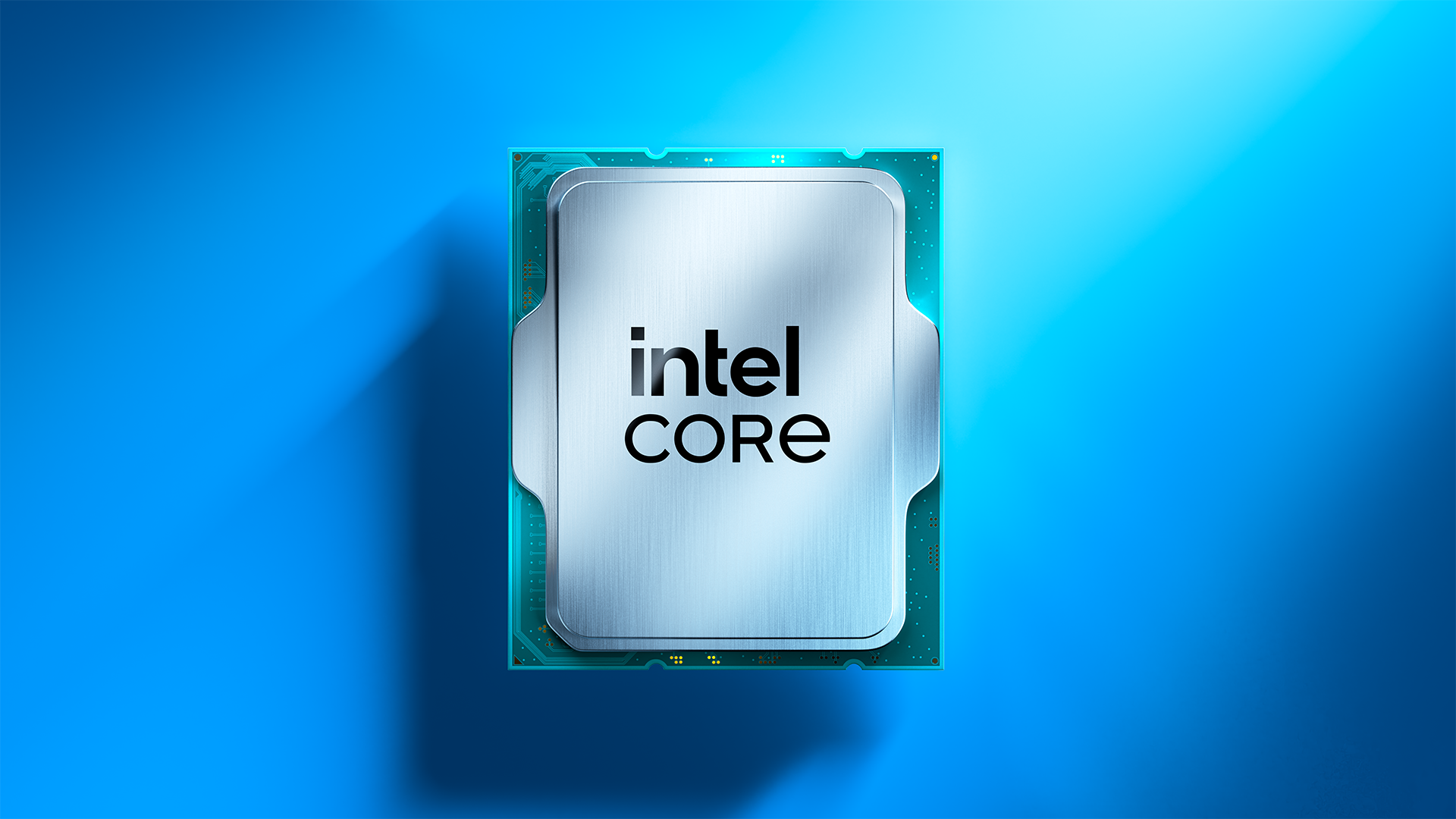
Gigabyte BIOS Update Hints at Raptor Lake Next in 2027
Gigabyte firmware updates reveal Intel Raptor Lake Next processors on LGA 1700 motherboards, extending DDR4 and DDR5 budget desktop lifespans into 2027.
Gigabyte firmware updates reveal Intel Raptor Lake Next processors on LGA 1700 motherboards, extending DDR4 and DDR5 budget desktop lifespans into 2027.
A curious line item in a motherboard firmware patch often says far more about the future of desktop computing than a polished keynote presentation. That scenario is playing out across the enthusiast hardware community this week following a quiet firmware rollout from Gigabyte. The Taiwanese board maker published fresh BIOS updates for its entry-level and mainstream motherboards, directly referencing support for unreleased Intel silicon on Socket LGA 1700. The revision notes point to an extended roadmap for the rumored Raptor Lake Next family, signaling that Intel’s three-generation socket may persist as a budget and commercial anchor through early 2027.
The update, which targets Gigabyte boards built around the Intel B760 and H610 chipsets, explicitly lays the groundwork for upcoming LGA 1700 microcode revisions. While Intel recently shifted its enthusiast desktop spotlight toward Socket LGA 1851 and the Arrow Lake Core Ultra 200S series, budget-conscious builders and commercial system integrators have hesitated to embrace the new ecosystem. The discovery of renewed LGA 1700 support indicates that Intel intends to milk its amortized silicon production lines for years to come, offering a pragmatic counterweight to higher platform costs.
What Gigabyte's Firmware Changelogs Actually Reveal
Motherboard vendors rarely update microcode pipelines for legacy chipsets unless silicon validation is actively underway in their engineering labs. Gigabyte’s latest BIOS packages for specific B760 and H610 models—particularly entry-tier revisions popular in enterprise fleets and regional system-integrator builds—incorporate new firmware hooks designed to identify and initialize future desktop parts.
Historically, Intel sockets observe a strict two-generation cadence. Socket LGA 1700 broke that convention when 14th Gen Raptor Lake Refresh followed 12th Gen Alder Lake and 13th Gen Raptor Lake. An extension into Raptor Lake Next—previously associated in industry rumblings with code names like Bartlett Lake-S—represents an unprecedented third encore.
Hardware sleuths inspecting the BIOS bin files note that these revisions prime the board management engine and power delivery tables for parts sharing the existing Raptor Lake silicon stepping. Rather than re-architecting the core topology, Intel appears to be binning existing monolithic silicon to address specific thermal, clock, and cost targets. By validating these revisions on low-cost B760 and H610 platforms, Gigabyte is preparing for systems that demand plug-and-play drop-in compatibility without requiring expensive power delivery redesigns.
Why Intel Refuses to Kill Socket LGA 1700
The technological rationale for keeping LGA 1700 alive through 2027 centers on manufacturing economics and platform affordability. Arrow Lake-S and Socket LGA 1851 brought substantial architectural shifts, abandoning Hyper-Threading in favor of redesigned Lion Cove performance cores and Skymont efficient cores manufactured on external TSMC nodes. However, those technical innovations arrived alongside higher retail pricing for motherboards and an uncompromising requirement for DDR5 memory.
For a vast portion of the global desktop market, high-end throughput is secondary to total system cost. Intel manufactures Raptor Lake-era silicon on its internal "Intel 7" process node (the refined 10nm Enhanced SuperFin node). The capital expenditure for these fabrication facilities in Oregon, Arizona, and Ireland has long been amortized. Producing monolithic 8P+16E or cut-down 6P+0E dies on Intel 7 costs the company substantially less than sourcing complex multi-tile packaging from third-party foundries.
By keeping Raptor Lake Next in production into 2027, Intel can flood the sub-$150 processor tier with high-margin, inexpensive chips while reserving advanced packaging nodes for server silicon and premium laptops. System integrators building office workstations, point-of-sale terminals, and entry-level gaming rigs do not need Arrow Lake's neural processing units or cutting-edge I/O lanes; they need reliable, inexpensive compute blocks that drop into twenty-dollar motherboards.
The Enduring Advantage of DDR4 and DDR5 Flexibility
Perhaps the most consumer-friendly dimension of the Raptor Lake Next platform is the memory subsystem. Socket LGA 1851 severed ties with DDR4, mandating DDR5 across the board. While DDR5 pricing has stabilized significantly since its volatile 2021 launch, high-density DDR4 kits remain markedly cheaper, especially in secondary markets and emerging economies.
The integrated memory controller (IMC) inside Raptor Lake silicon natively supports both DDR4-3200 and DDR5-5600 JEDEC profiles. Gigabyte's BIOS updates on H610 and B760 motherboards maintain this dual-memory routing. This allows an enterprise customer or PC builder in 2026 or 2027 to pair a modern, warrantied desktop processor with existing DDR4 modules that would otherwise end up in an e-waste bin.
This memory flexibility mirrors the longevity strategy that consumer hardware enthusiasts have long championed. An IT department refreshing hundreds of desktop office units can purchase brand-new CPUs and modern motherboards featuring contemporary USB standards and updated security patches without budgeting for thousands of gigabytes of new system memory. That flexibility translates into thousands of dollars saved across commercial deployments.
Mirroring AMD's Playbook for Socket AM4 Longevity
Intel’s decision to prolong Raptor Lake Next bears a striking resemblance to AMD’s ongoing stewardship of Socket AM4. When AMD launched Socket AM5 in 2022 alongside the Ryzen 7000 series, many analysts expected the older socket to fade into history. Instead, AMD continued releasing new processors—culminating in parts like the Ryzen 7 5700X3D and Ryzen 5 5600XT—years after AM5 took the flagship spotlight.
AMD demonstrated that maintaining a parallel, budget-friendly ecosystem prevents competitors from capturing the bottom half of the market. Intel has clearly taken notes. Without a sustained LGA 1700 presence, Intel would effectively surrender the ultra-budget desktop tier to discounted AM4 systems or low-end AM5 offerings.
By leveraging the Gigabyte motherboard ecosystem to support Raptor Lake Next well past the midpoint of the decade, Intel retains a formidable defensive moat. An inexpensive H610 board paired with an updated Raptor Lake Next Core i3 or Core i5 can deliver exceptional IPC (instructions per cycle) for everyday tasks at a price floor that newer, tile-based platforms simply cannot match.
What System Builders Should Watch Next
While Gigabyte’s firmware update confirms motherboard readiness, several architectural questions remain unresolved. The industry is watching closely to see whether Intel will brand these late-lifecycle LGA 1700 chips under the legacy Core i-series naming convention (such as Core i3-14150 or Core i5-14450) or fold them into the streamlined "Intel Processor 300" nomenclature.
Thermal and power targets will also be a primary consideration. Entry-grade H610 motherboards feature modest 4-to-6 phase voltage regulator modules (VRMs) lacking passive heatsinks. If Raptor Lake Next is to thrive on these budget boards, Intel must enforce strict 35W and 65W base power limits to prevent VRM throttling.
For PC enthusiasts and hardware shoppers, Gigabyte’s proactive BIOS rollout delivers an unambiguous message: do not count Socket LGA 1700 out just yet. Even as the industry marches toward multi-tile architectures, high-bandwidth NPU integration, and pure DDR5 environments, there remains an appetite for refined, monolithic desktop chips that simply get the job done at an unbeatable price.
This report was independently synthesized, fact-checked, and expanded with technical mitigation guidance and risk evaluations by the Zero Hour Tech editorial desk. Initial reporting, vendor bulletins, or threat telemetry were tracked from tomshardware.com .
Raptor Lake Next refers to rumored upcoming desktop processors built on Intel's refined Intel 7 process for Socket LGA 1700. Often linked to the Bartlett Lake-S project, these chips serve as an extended lifecycle refresh for budget, commercial, and entry-level systems.
The US Department of Labor orders an H-1B green card path suspension for Microsoft and Adobe, blocking PERM labor certifications amid fraud investigations.
GlobalFoundries to manufacture silicon interposers for TSMC's CoWoS in the US under a $2 billion, five-year deal, securing the domestic AI supply chain.