Finland Halts Construction of Google AI Data Centers
Finland orders a construction halt on two Google AI data centers over deforestation concerns, complicating the tech giant's European infrastructure plans.
Finland orders a construction halt on two Google AI data centers over deforestation concerns, complicating the tech giant's European infrastructure plans.
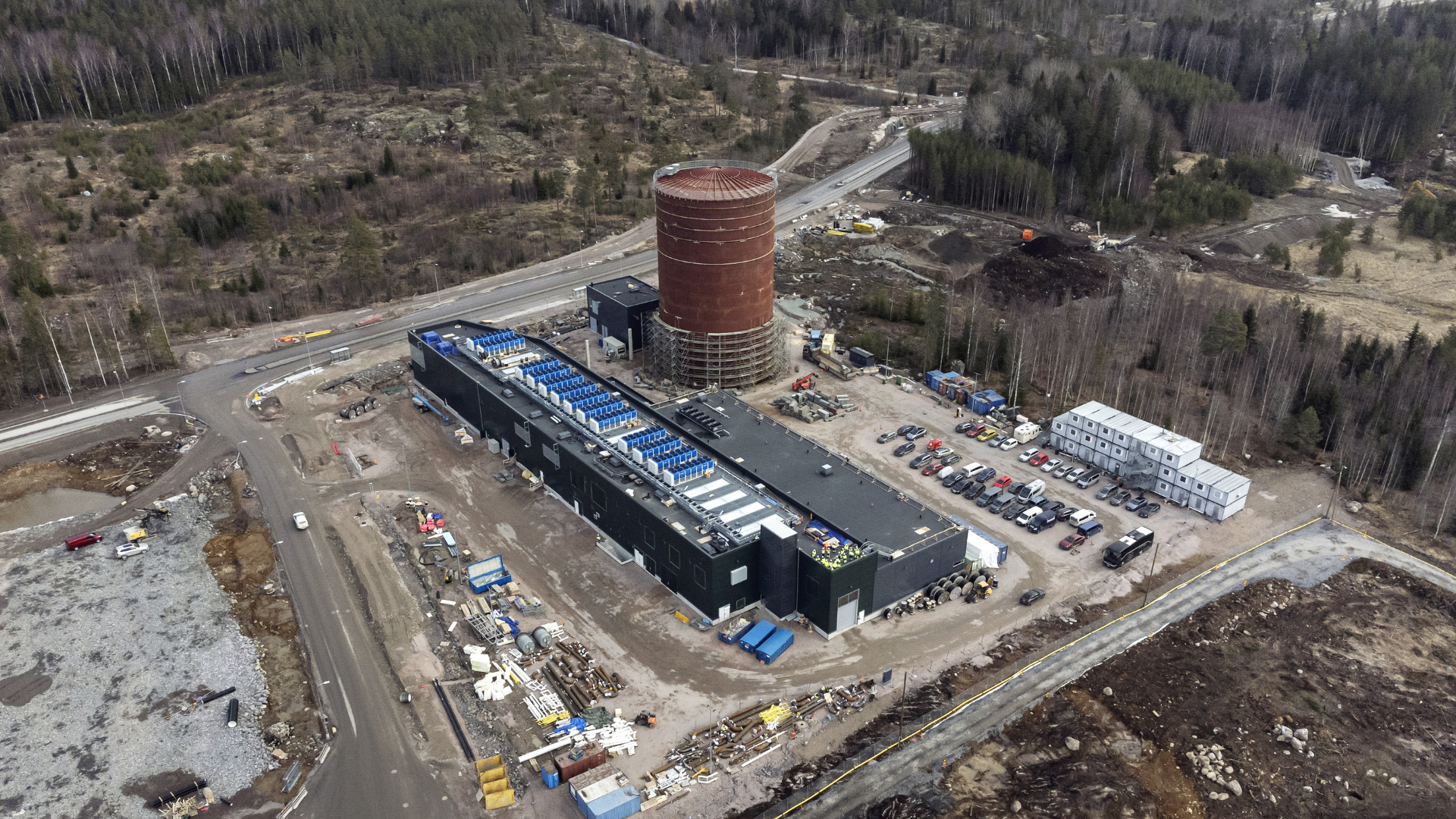
The global race to dominate artificial intelligence has run headfirst into the dense forests of northern Europe. Finnish environmental regulators have issued a dramatic stop-work order targeting two planned Google AI data centers in Hamina, a coastal town along the Gulf of Finland. The dispute centers on allegations of premature deforestation and land clearing, which local authorities say have permanently compromised their ability to perform a legally mandated environmental impact assessment.
Finland has long been a favored destination for hyperscale computing infrastructure. Its cool climate, stable geopolitical environment, and abundant access to renewable energy make it an ideal home for the massive server farms required to power modern internet services. However, the breakneck speed at which technology giants are rushing to deploy hardware for generative AI is increasingly clashing with local regulatory frameworks and ecological preservation efforts.
The Preemptive Clearing at Hamina
Google’s relationship with Hamina dates back to 2011, when the company converted a historic paper mill into a cutting-edge data center cooled by Gulf water. Over the subsequent decade, the facility became a cornerstone of Google’s European infrastructure. The current conflict arose when Google initiated plans to expand the campus with two new facilities designed specifically to handle high-density AI workloads.
According to the Southeast Finland Centre for Economic Development, Transport and the Environment (known locally as the ELY Centre), Google began clearing several dozen hectares of forest before the official environmental impact assessment (EIA) was finalized or approved. By the time regulators conducted their site inspections, the physical landscape had been fundamentally altered. Trees had been felled, topsoil cleared, and the natural terrain graded.
The ELY Centre took immediate action, ordering an indefinite halt to the construction work. The regulator’s argument is straightforward: an environmental assessment must evaluate the baseline state of an ecosystem to understand how a project will affect local biodiversity, hydrology, and wildlife habitats. By clearing the forest beforehand, Google effectively erased that baseline, making a legitimate assessment impossible.
The Environmental Friction Confronting Google AI Data Centers
In Finland, environmental regulations are not mere bureaucratic hurdles to be cleared post-facto; they are legally binding processes designed to protect fragile Nordic ecosystems. The ELY Centre’s decision highlights a growing frustration among local authorities who feel that multinational technology corporations treat local zoning and conservation laws as secondary to their aggressive deployment schedules.
Google’s public response to the stop-work order was notably apologetic. In a statement addressing the situation, the company conceded that its actions in Hamina did not align with its internal corporate policies. A spokesperson admitted that the company had "fallen short of our own high standards in this instance" and expressed a commitment to working closely with Finnish authorities to resolve the impasse.
However, this admission does little to solve the immediate ecological and legal dilemma. Because the forest cannot be instantly restored, regulators and Google's engineering teams must now find a way to retroactively estimate the ecological value of the destroyed habitat. This process is expected to delay the construction of the Google AI data centers by months, if not longer, throwing a wrench into Google's broader European capacity timelines.
How the Push for Silicon Valley Scale Collides with European Law
The situation in Hamina is indicative of a much larger structural conflict. The infrastructure supporting modern AI is vastly different from the cloud infrastructure of the past decade. Large language models (LLMs) and advanced machine learning algorithms require specialized silicon—such as Google’s custom Tensor Processing Units (TPUs)—operating at extreme densities. These chips generate immense heat and require unprecedented amounts of electrical power and physical space.
As tech giants scramble to secure land and energy contracts to support these workloads, they are encountering severe bottlenecks. In the United States, grid capacity limits are forcing developers to seek alternative locations. In Europe, the primary bottlenecks are regulatory and environmental.
European nations have implemented some of the strictest environmental protections in the world. From Ireland, where data center power consumption has triggered warnings of grid instability, to the Netherlands, where local communities have protested the water consumption of hyperscale facilities, the backlash is mounting. The halt of the Google AI data centers in Finland represents a new front in this conflict: land-use and local deforestation.
The Ecological Paradox of Green Tech and AI Growth
This incident also exposes a glaring paradox in the tech industry's sustainability narratives. Google, Microsoft, and Meta have all pledged to achieve net-zero carbon footprints or even become carbon-negative by 2030. These goals are frequently highlighted in marketing campaigns and corporate responsibility reports.
Yet, the physical reality of achieving "AI at scale" often requires the destruction of natural carbon sinks. Forests play a vital role in absorbing carbon dioxide from the atmosphere. Felling hectares of mature trees to build concrete structures that will house energy-intensive servers directly undermines the spirit of these carbon-neutral pledges, even if the facilities are eventually powered by off-site wind or solar farms.
Furthermore, the sheer density of AI hardware means that these facilities have a highly concentrated impact on their immediate surroundings. The localized heat output, the potential need for supplemental evaporative cooling, and the noise generated by industrial-scale cooling fans all present unique environmental challenges that require meticulous, upfront study—the very studies that were bypassed in Hamina.
Precedents and the Path to Resolution
What happens next in Finland will likely serve as a precedent for other technology firms planning expansions in the Nordic region. Google must now negotiate a remediation path with the ELY Centre. This could involve significant financial penalties, mandatory reforestation initiatives elsewhere in the region, or structural modifications to the planned facilities to minimize their remaining environmental footprint.
For the broader technology sector, the message from Finnish regulators is clear: the urgency of the AI race does not exempt hyperscalers from local environmental laws. As companies continue to scout locations for the next generation of data centers, they will need to factor in longer, more transparent regulatory timelines, or risk facing costly shutdowns that disrupt their global product rollouts.
This report was independently synthesized, fact-checked, and expanded with technical mitigation guidance and risk evaluations by the Zero Hour Tech editorial desk. Initial reporting, vendor bulletins, or threat telemetry were tracked from tomshardware.com .
Finnish authorities (the ELY Centre) ordered a halt because Google began clearing forest land in Hamina before the official environmental impact assessment (EIA) was completed. Because the physical landscape was altered, regulators stated they could no longer conduct an accurate baseline environmental assessment.
Microsoft is tightening Microsoft 365 storage capacity on shared plans, capping family pools at 2TB amid rising datacenter costs and AI infrastructure crunches.
Gigabyte firmware updates reveal Intel Raptor Lake Next processors on LGA 1700 motherboards, extending DDR4 and DDR5 budget desktop lifespans into 2027.
The US Department of Labor orders an H-1B green card path suspension for Microsoft and Adobe, blocking PERM labor certifications amid fraud investigations.